
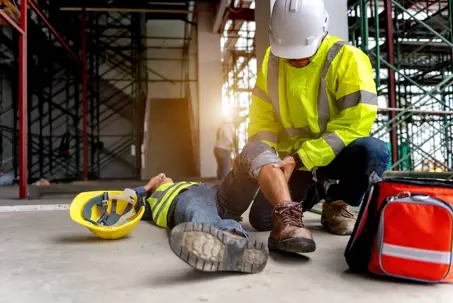
Construction work is inherently dangerous, and the risks can increase significantly during Seattle’s rainy season. Wet surfaces, reduced visibility, slippery equipment, and changing site conditions can create hazards that increase the likelihood of serious injuries. While some construction accidents occur despite reasonable safety precautions, others result from preventable failures that place workers and visitors at unnecessary risk.
When a construction site injury occurs, proving what happened is one of the most important aspects of a legal claim. Whether an injured person is pursuing a workers’ compensation claim, a third-party liability claim, or another legal action, evidence often determines whether negligence can be established and whether compensation may be available.
Understanding the types of evidence that may help support a construction injury case can provide valuable insight into how these claims are evaluated.
Why Rainy Season Conditions Can Contribute to Construction Accidents
Seattle’s fall and winter months often bring rain, wet surfaces, and unpredictable weather. Construction sites often contain uneven ground, elevated work areas, scaffolding, heavy machinery, and exposed materials. When these conditions combine with rain, the potential for accidents can increase dramatically.
Common rainy season construction accidents may involve:
- Slips and falls on wet surfaces
- Falls from ladders or scaffolding
- Equipment accidents caused by reduced traction
- Electrical hazards involving water exposure
- Falling objects due to unstable conditions
- Vehicle and machinery collisions in low-visibility environments
Although weather may contribute to an accident, rain alone does not necessarily excuse unsafe conditions or negligent conduct. Construction companies, contractors, subcontractors, and property owners may still have legal responsibilities to maintain a reasonably safe work environment.
Photographs and Video Evidence
One of the most valuable forms of evidence following a construction site injury is visual documentation.
Photographs and videos can help preserve important details before site conditions change. Images may show:
- Standing water or drainage issues
- Unsafe walking surfaces
- Missing safety barriers
- Defective equipment
- Improperly secured materials
- Weather-related hazards
Construction sites often change rapidly, making early documentation especially important. What exists immediately after an accident may look completely different just days later.
In some cases, surveillance footage or recordings from nearby cameras may also provide valuable information regarding how an incident occurred.
Incident Reports and Safety Records
Construction companies typically generate reports when workplace accidents occur. These reports may contain details about:
- The time and location of the incident
- Individuals involved
- Witness statements
- Initial descriptions of injuries
- Reported site conditions
Safety records may also reveal whether prior concerns existed before the injury occurred. For example, documentation may reveal prior complaints about slippery surfaces, drainage issues, equipment failures, or inadequate safety measures.
If a company were aware of a hazard but failed to address it, that information may become significant when evaluating liability.
Witness Statements Can Be Critical
Construction sites often involve numerous workers, supervisors, subcontractors, and vendors. Individuals who witnessed the accident or observed hazardous conditions beforehand may provide valuable insight into what occurred.
Witnesses may help establish:
- Whether safety procedures were being followed
- The condition of the worksite before the incident
- Whether warnings were provided
- The actions of contractors or supervisors
- The presence of dangerous conditions caused by rain or weather
Because memories can fade over time, obtaining witness information as soon as possible after an accident is often beneficial.
Medical Records Help Connect the Injury to the Accident
Medical documentation plays a central role in nearly every construction injury claim.
Treatment records may help establish:
- The nature and severity of the injury
- When symptoms first appeared
- Recommended treatment plans
- Long-term limitations
- The relationship between the injury and the construction accident
Consistent medical treatment often creates a clearer record of how the injury affected the individual and what recovery may involve moving forward.
Construction Site Policies and Training Records
Construction companies are expected to implement safety procedures designed to reduce workplace hazards. When an accident occurs, investigators may review:
- Safety manuals
- Employee training records
- Rainy weather protocols
- Equipment inspection logs
- Maintenance records
- Fall protection policies
These materials may help determine whether appropriate precautions were in place and whether workers received adequate instruction regarding known risks.
In some situations, a lack of training or failure to enforce safety procedures may contribute to an otherwise preventable injury.
Why Early Investigation Matters
Construction accident claims often involve multiple parties, including contractors, subcontractors, equipment manufacturers, property owners, and insurance companies. Determining who may be responsible frequently requires a detailed review of evidence before records disappear or site conditions change.
The sooner an investigation begins, the greater the opportunity to preserve photographs, witness accounts, site records, and other evidence that may prove important later.
Contact Carpenter & Zuckerman After a Construction Site Injury
Construction accidents can leave injured workers and their families facing physical, financial, and emotional challenges. Determining what caused the incident and identifying responsible parties often requires a thorough investigation supported by strong evidence.
Seattle Construction Accident Lawyers
If you or a loved one has suffered injuries on a construction site, Carpenter & Zuckerman can help evaluate the circumstances surrounding the accident and explain your legal options. To learn more, contact the firm today at (425) 585-4009.